The Word of God Holistic Wellness Institute
"Helping The World DISCOVER THE WAY of LOVE!"
GMDSS: A Comprehensive Guide to the Global Maritime Distress and Safety System
From Crew Reduction to Global Safety: The Genesis of GMDSS
The 1970s marked a turning point in maritime history. As ships grew larger and crews became leaner, a critical safety gap emerged: distress signals were increasingly missed. In response to this growing concern, the International Maritime Organization (IMO) took decisive action. By 1999, the Global Maritime Distress and Safety System (GMDSS) became mandatory for all ships over 300 gross tons and all passenger ships carrying more than 12 passengers. The goal of GMDSS was clear: to revolutionize maritime safety by integrating radio, satellite, and digital communication technologies to dramatically improve the efficiency of distress response at sea.
Understanding GMDSS Sea Areas and Equipment Mandates
The GMDSS framework divides the world's oceans into four distinct navigational areas, each with specific communication requirements:
- Sea Area A1: Within VHF radio coverage of at least one VHF coast station. This area ensures reliable VHF radio communication for distress alerts and routine calls.
- Sea Area A2: Within MF radio coverage of at least one MF coast station, excluding Sea Area A1. MF (Medium Frequency) radio extends communication range beyond VHF.
- Sea Area A3: Within the coverage of Inmarsat geostationary satellites, between 70° North and 70° South latitudes, excluding Sea Areas A1 and A2. Inmarsat satellite coverage provides a wide area network for maritime communication.
- Sea Area A4: Polar areas (north of 70°N and south of 70°S). While defined, practical application in extreme polar regions is limited due to satellite coverage challenges.
To ensure safety across these areas, GMDSS mandates a specific equipment list for compliant vessels, including:
- VHF Radio: For short-range communication and distress alerting.
- Radar: For navigation and collision avoidance, especially in reduced visibility.
- Waterproof Handheld Radio: Portable VHF radio for emergency communication, particularly in lifeboats.
- EPIRB (Emergency Position-Indicating Radio Beacon): For automatic distress alerting and location transmission via satellite.
- SART (Search and Rescue Transponder): For pinpointing the location of survivors to rescue vessels and aircraft.
- NAVTEX (Navigational Telex): For automatic reception of maritime safety information (MSI), including navigational and meteorological warnings.
Key GMDSS Safety Equipment: EPIRB, SART, and NAVTEX Explained
Let's delve deeper into the crucial GMDSS safety equipment:
EPIRB (Emergency Position-Indicating Radio Beacon):
- Functionality: An EPIRB is designed to automatically activate when submerged in water or manually in distress situations. It transmits a 406 MHz distress signal via the Cospas-Sarsat satellite system. Crucially, modern EPIRBs incorporate built-in GPS, providing highly accurate location data (within ≤125 meters) to search and rescue authorities.
- Operation: Each EPIRB has a unique, globally registered identification code. Registration is vital (e.g., in the UK, registration is with Falmouth Coastguard). Once activated, an EPIRB should never be switched off directly in case of accidental activation; contact authorities to manage the alert.
SART (Search and Rescue Transponder):
- Working Principle: A SART is a radar-based device. When it receives a radar pulse from a nearby ship or aircraft, it automatically transmits a response signal. This response appears on the rescuer's radar screen as a distinctive pattern: initially 12 dots, progressing to arcs, and finally forming concentric circles as the rescuer gets closer. This unique pattern allows for precise location of survivors in distress.
- Performance: A SART is highly effective for close-range location. From a height of 1 meter above sea level, it has a typical radar detection range of 30 nautical miles for aircraft and 5 nautical miles for ships.
NAVTEX (Navigational Telex):
- Functionality: NAVTEX is an automated system for receiving and displaying maritime safety information (MSI). It automatically receives broadcasts of navigational warnings, meteorological forecasts, and urgent safety notices from coastal stations up to 400 nautical miles offshore. NAVTEX systems typically support dual-language displays, offering information in both the local language and English for broader accessibility.
- Operation: Users select specific coastal stations to monitor via a menu-driven interface. Station identification codes are listed in publications like the "Admiralty List of Radio Signals".
GMDSS Compliance for Yachts and Small Vessels: Recommendations
While GMDSS regulations are legally mandated for larger commercial vessels, they offer invaluable safety benefits for yachts and smaller boats.
- Legal Exemptions, Practical Necessity: While recreational yachts may be exempt from full GMDSS carriage requirements, carrying key GMDSS equipment is highly recommended for safety.
- Minimum for Coastal Cruising: A VHF radio and an EPIRB should be considered essential for any coastal voyage.
- Enhanced Safety for Offshore Voyages: For voyages beyond coastal areas, adding a small Inmarsat satellite communication system significantly enhances safety and communication range.
- Redundancy is Key: Avoid single points of failure. Having backup communication devices ensures that a single equipment malfunction doesn't leave you without means of distress alerting.
GMDSS: Modern Maritime Safety in Action
GMDSS represents a paradigm shift in maritime safety, moving from reliance on traditional radio watchkeeping to a technologically integrated, automated system.
- Technological Integration: GMDSS seamlessly blends traditional marine radio with advanced satellite communication, ensuring comprehensive coverage across vast ocean areas.
- Standardized Operation: By standardizing distress alerting and communication procedures, GMDSS minimizes the risk of human error and significantly improves search and rescue response times and success rates.
- A Lesson for Smaller Vessels: Even for vessels not legally bound by GMDSS, adhering to a "minimum safety threshold" by carrying essential GMDSS equipment is a responsible and prudent practice for all mariners.
GMDSS provides immense value to both professional mariners and recreational boaters. Understanding GMDSS regulations, equipment, and operational logic is crucial for ensuring maritime safety and regulatory compliance across different sea areas. By equipping vessels with EPIRBs, SARTs, and NAVTEX, and understanding their operation, mariners can significantly mitigate safety risks and achieve both compliance and enhanced safety at sea.
HZH Marine: Your Partner in Maritime Safety
With 18 years of experience in the maritime industry, HZH Marine is your trusted source for marine safety equipment and communication solutions. HZH Marine is proud to offer Ocean One, our own brand of marine radio equipment, including the professional-grade Ocean One G500 GMDSS Radio. The Ocean One G500 is a reliable and feature-rich GMDSS radio designed to meet the stringent requirements of GMDSS regulations.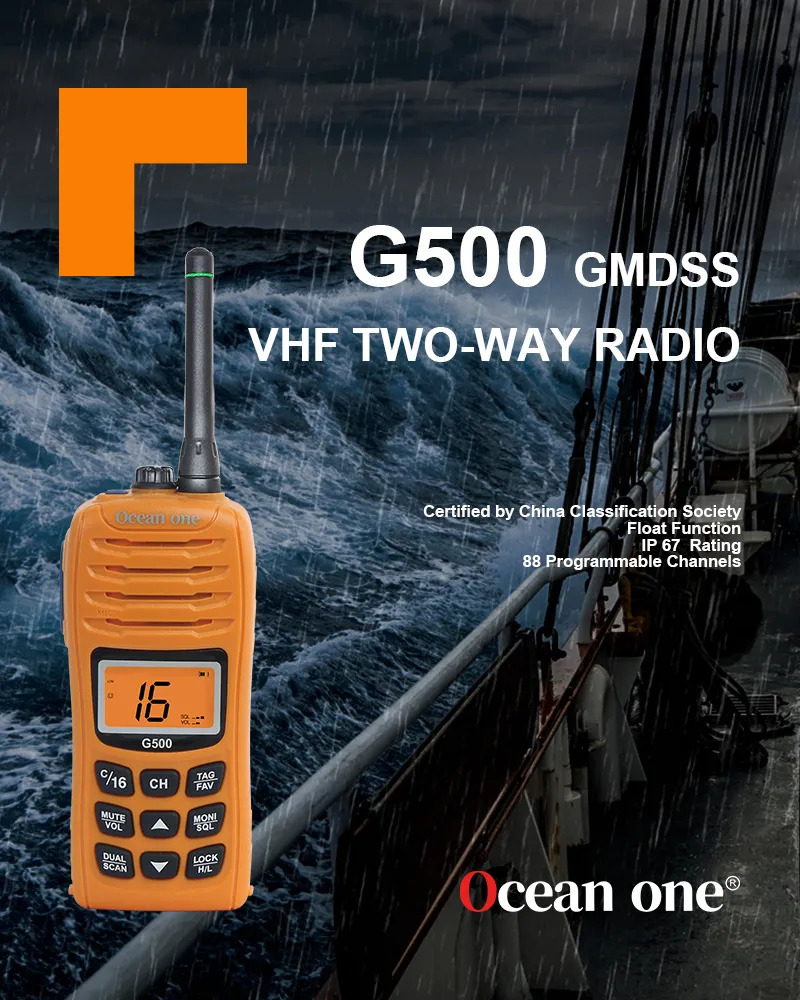
In addition to our Ocean One brand, HZH Marine is also a distributor for leading brands in maritime safety, including Jotron, Ocean Signal, SAILOR, McMurdo, and JRC. We offer a comprehensive range of SART and EPIRB devices, as well as batteries and accessories for these critical safety products.
Trust HZH Marine to provide you with high-quality GMDSS equipment and expert support to ensure your vessel is equipped for safety and compliance at sea.
Views: 1
About
Praise Jesus Christ!

May God Bless & Prosper You!
"Holistic Wellness and Health"
Health, Education, and Social Service: Crisis Intervention/Life Empowerment (323) 73-LIGHT
Appointments (323) 402-0422
Loving to Learn Online Store
"Over 300 Low Priced, Quality Products"
Your Holistic Wellness: Spirit, Body and Mind
TIME IS RUNNING OUT!
© 2025 Created by Drs Joshua and Sherilyn Smith.
Powered by

