The Word of God Holistic Wellness Institute
"Helping The World DISCOVER THE WAY of LOVE!"
Production of Ceramics and Advances in Ceramic Microstructure
The initial section of the Encyclopedia of Materials: Technical Ceramics and Glasses focuses on “Ceramics Manufacturing and Ceramic Microstructural Development.” It comprises several distinct subsections:
1. The first section addresses various methods for synthesizing raw materials specifically designed for the production of technical ceramics. These materials must possess an appropriate chemical composition with controlled impurity levels and, where necessary, specific chemical additives to influence sintering behavior and promote optimal microstructural development. Additionally, the raw materials should comprise particles with carefully selected size, shape, size distribution, and surface characteristics tailored to suit the chosen shaping process for industrial fabrication of green parts and their subsequent densification.
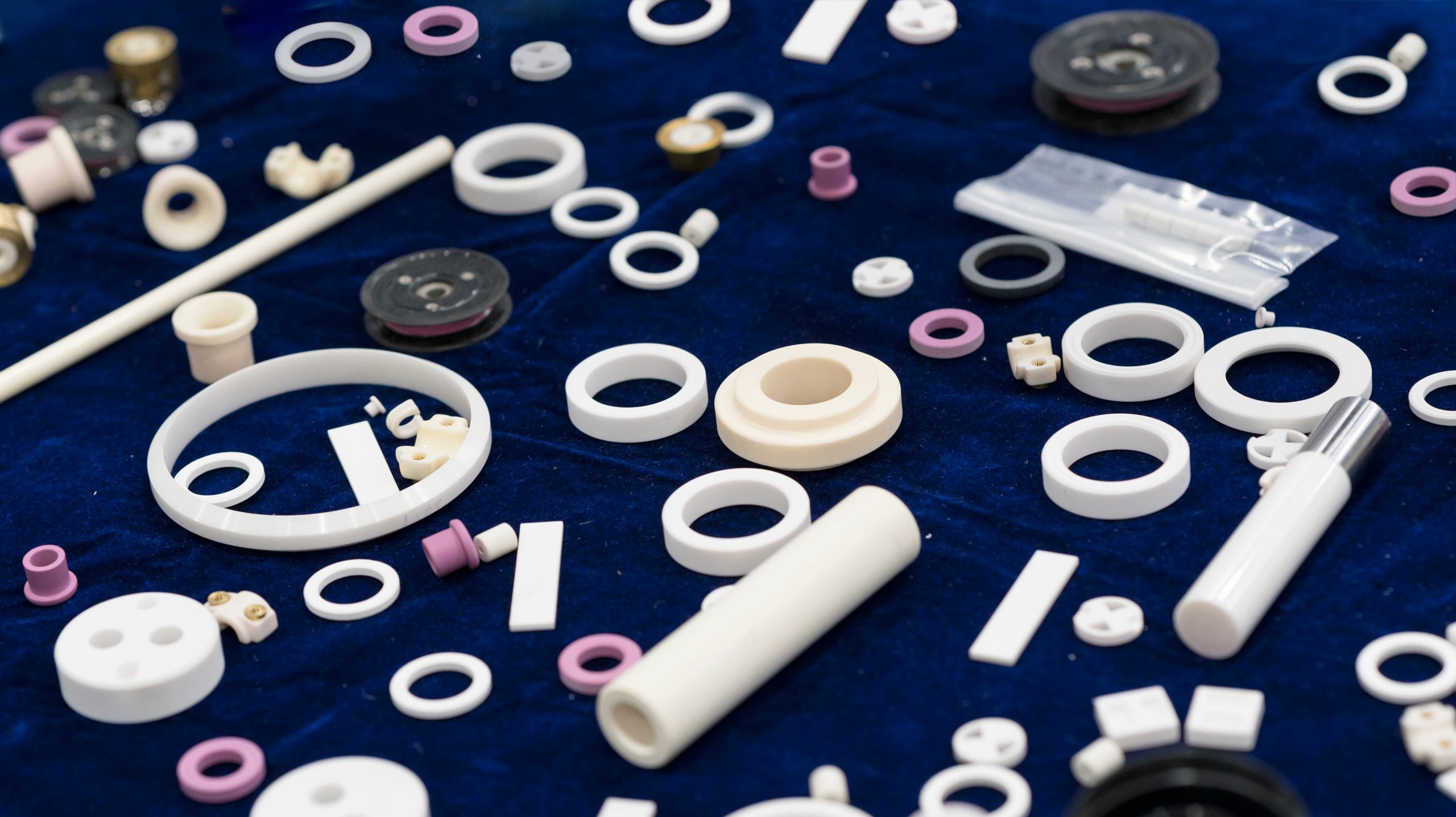
This subsection consists of seven chapters, beginning with an overview of various synthesis techniques. Subsequent chapters focus on specific methods such as wet processes, sol-gel, SHS, hydrothermal synthesis, and ultrasound-assisted synthesis. Many of these approaches produce chemical intermediates that require further processing to achieve the target composition. Accordingly, one chapter is dedicated to the calcination and phase transformation stages of raw materials. The final chapter addresses ceramics that can be produced directly from the chemical compound to the finished product.
2. The second section examines the processes required to achieve the desired shapes in industrial manufacturing. Typically, organic or organometallic additives, including polymers, are combined with powder raw materials to enhance their shaping properties. Grinding and granulation steps may be required, especially when shaping is performed by compaction. Dedicated chapters cover forming processes that involve dispersion in a solvent—such as slip casting, centrifugal casting, gel casting, and direct coagulation—and those utilizing viscous pastes, including extrusion, injection molding, and tape casting. Two chapters focus on advanced techniques like freeze casting and additive manufacturing. While shaping methods aim to produce near-net-shape components, post-shaping corrections, preferably performed on green bodies through machining, are often necessary. Finally, since certain components require layered fabrication, a chapter is devoted to screen printing.
3. Once the desired shape is formed, the component undergoes densification to improve its structural integrity. An introductory chapter outlines the fundamentals of various sintering techniques, followed by three chapters that explore the material behavior during processes involving no liquid phase (solid state), minimal liquid phase, or substantial liquid phase (viscous). Additionally, two chapters address the effects of applied pressure and the occurrence of simultaneous reactions during densification.
Sintering is a process that demands significant time and energy. Recent advancements aim to reduce sintering duration and consequently lower energy usage. Following an introductory chapter that outlines new rapid sintering methods, detailed discussions cover techniques such as Spark Plasma Sintering, cold sintering, hydrothermal sintering, and microwave sintering.
Full densification is not required for all components. This is especially true for ceramics employedin applications such as catalysts, filters, and bioceramic scaffolds, where precise control of porosity is essential. Consequently, two chapters focus specifically on porous ceramics.
4.In the densification process, a balance exists between pore elimination and undesired grain growth. Methods to regulate microstructural development are available and are discussed comprehensively in a dedicated chapter.

Two additional chapters focus on producing textured and functionally graded ceramics. Lastly, practical examples demonstrating the techniques covered in earlier chapters—such as raw material control, shaping, processing, sintering, and microstructural management—are presented through the manufacturing of transparent ceramics and the fabrication of geopolymers.
Views: 7
-
Comment by laborcserenaz yesterday
-
The Middle Eastern market trends more toward modern watches, and so does the link catalog, but vintage styling is still on offer. There's a 2007 unique Cartier Crash with an estimate of $130,000 link - 260,000. For those who like watches with Middle Eastern provenance, there's that option as well, with a platinum Rolex Day-Date II featuring a caseback engraving of the Omani crest and confirmation of its delivery to the Royal Palace. The lot link carries an estimate of $60,000 - 90,000.
link
Comment
About
Praise Jesus Christ!

May God Bless & Prosper You!
"Holistic Wellness and Health"
Health, Education, and Social Service: Crisis Intervention/Life Empowerment (323) 73-LIGHT
Appointments (323) 402-0422
Loving to Learn Online Store
"Over 300 Low Priced, Quality Products"
Your Holistic Wellness: Spirit, Body and Mind
TIME IS RUNNING OUT!
© 2025 Created by Drs Joshua and Sherilyn Smith.
Powered by


You need to be a member of The Word of God Holistic Wellness Institute to add comments!
Join The Word of God Holistic Wellness Institute