The Word of God Holistic Wellness Institute
"Helping The World DISCOVER THE WAY of LOVE!"
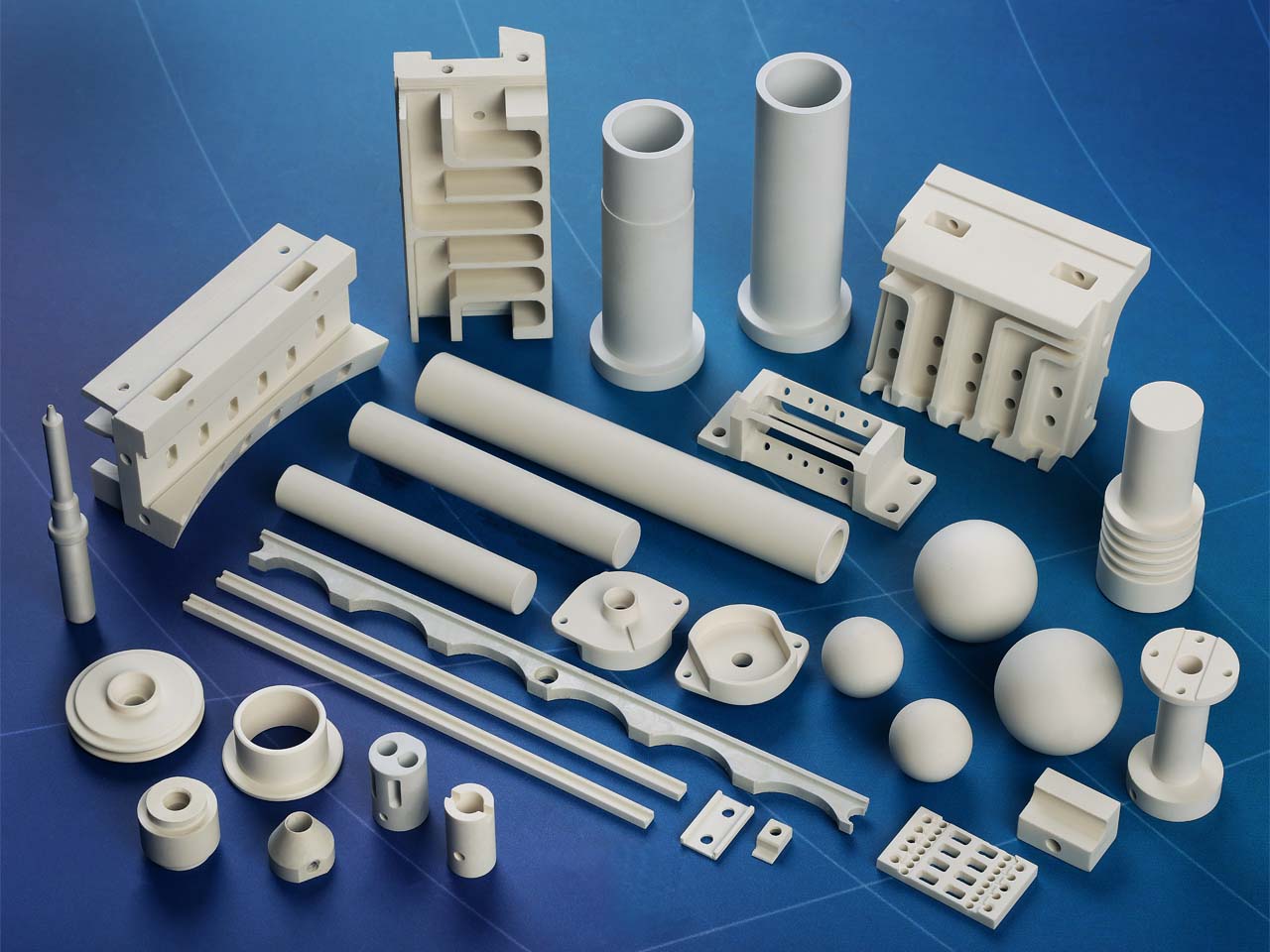
Simplifying the Choice of Ceramic Materials
1. Introduction
Ceramic materials play a vital role across various industries, including electronics, machinery, construction, and household goods. Choosing the appropriate ceramic can be complex, as each type possesses distinct characteristics suited to specific applications. Some ceramics withstand high temperatures, while others offer superior resistance to wear or corrosion. Understanding these properties enables informed decisions when selecting materials. This guide outlines the primary ceramic categories and their essential features to simplify and enhance the selection process.
2. Types of Ceramic Materials
Various ceramic types are suited to distinct applications. The key categories to understand include:
-Silicate Ceramics: Silicate ceramics encompass traditional materials such as clay, porcelain, and stoneware. Commonly utilized in construction, household goods, and decorative items, silicates offer durability, affordability, and ease of shaping. However, they exhibit lower heat resistance compared to other ceramic types.
-Oxide Ceramics: Oxide ceramics, including alumina and zirconia, are highly stable and offer excellent resistance to heat and corrosion. These properties make them suitable for industrial applications that demand durability in challenging conditions. Oxides are frequently utilized in electronics, medical implants, and equipment operating at high temperatures.
-Non-Oxide Ceramics: Non-oxide ceramics, such as carbides (e.g., silicon carbide) and nitrides (e.g., silicon nitride), are known for their exceptional strength and wear resistance. They also possess excellent thermal conductivity. These materials are widely used in cutting tools, engine parts, and other applications demanding high strength and durability.
-Glass Ceramics: Glass ceramics combine properties of both glass and crystalline ceramics. They offer impact resistance and can withstand moderate temperatures. Their durability and visual appeal make them popular choices for kitchenware, stovetops, and decorative applications.
3. Understanding Essential Performance Parameters
3.1 Thermal Conductivity
Thermal conductivity measures a ceramic material’s efficiency in transferring heat. In applications such as electronics, where quick heat dissipation is essential, silicon carbide (SiC) is highly preferred. With a thermal conductivity ranging from about 120 to 250 W/m·K, it surpasses many other ceramics. This property makes SiC ideal for use in electronic substrates and heat sinks, as rapid heat transfer helps prevent component overheating. Silicon carbide’s excellent thermal conductivity ensures reliable operation in systems running continuously at elevated temperatures.
3.2 Thermal Stability
Thermal stability describes a ceramic material’s capacity to withstand extreme temperatures without degradation or loss of strength. This characteristic is vital for applications exposed to sustained high heat, such as industrial kilns, engines, or other environments with prolonged thermal stress. Alumina (Al₂O₃) exemplifies this property with remarkable stability at temperatures up to 1700°C. Consequently, alumina is well-suited for use in furnace linings and kiln shelves, where maintaining performance under intense heat is essential. Its high melting point and resistance to thermal deterioration ensure durability and reliability even under the most demanding thermal conditions.
3.3 Wear Resistance
Wear resistance indicates a ceramic material’s ability to withstand abrasion and friction over time. Silicon nitride (Si₃N₄) is notable for its superior wear resistance, featuring a hardness of approximately 1500 Vickers and a fracture toughness between 7 and 10 MPa·m¹/². These properties make it an excellent choice for cutting tools, bearings, and high-performance components in heavy machinery. Its combination of hardness and durability enables it to endure continuous friction with minimal wear, ensuring sustained performance during extended use.
3.4 Corrosion Resistance
Corrosion resistance refers to a ceramic material’s ability to maintain durability in chemically aggressive environments. Zirconia (ZrO₂) exemplifies this trait, demonstrating exceptional resistance to chemical attack and oxidation. It performs reliably in corrosive conditions, such as those found in chemical processing and medical device applications, enduring exposure to various acids and alkalis without deterioration. Zirconia’s corrosion resistance makes it a preferred material for tubing and implants, ensuring stability and safety where frequent chemical exposure occurs.
3.5 Resistivity
Resistivity indicates a ceramic material’s ability to oppose electrical current, a critical factor for insulation purposes. Aluminum nitride (AlN) exhibits a high resistivity of approximately 10¹² Ω·cm, making it an excellent electrical insulator. Uniquely, it also offers high thermal conductivity ranging from 170 to 180 W/m·K. This combination makes aluminum nitride a preferred insulating substrate in electronic devices, where it effectively blocks electrical flow while efficiently dissipating heat to maintain circuit stability.
Conclusion
Choosing the appropriate ceramic material involves a thorough understanding of key properties and their suitability for particular applications. Whether intended for high-temperature industrial uses, precision electronics, or domestic purposes, ceramics provide distinct benefits in terms of durability, stability, and resistance to wear, heat, and chemical exposure. Advanced Ceramic Materials (ACM) further improve these characteristics, delivering enhanced performance for specialized applications that require exceptional reliability.
Views: 5
Comment
About
Praise Jesus Christ!

May God Bless & Prosper You!
"Holistic Wellness and Health"
Health, Education, and Social Service: Crisis Intervention/Life Empowerment (323) 73-LIGHT
Appointments (323) 402-0422
Loving to Learn Online Store
"Over 300 Low Priced, Quality Products"
Your Holistic Wellness: Spirit, Body and Mind
TIME IS RUNNING OUT!
© 2025 Created by Drs Joshua and Sherilyn Smith.
Powered by


You need to be a member of The Word of God Holistic Wellness Institute to add comments!
Join The Word of God Holistic Wellness Institute