The Word of God Holistic Wellness Institute
"Helping The World DISCOVER THE WAY of LOVE!"
VisiFlora Eye Supplement Guide With Important Information About Ingredients, Product Quality, and Daily Eye Care
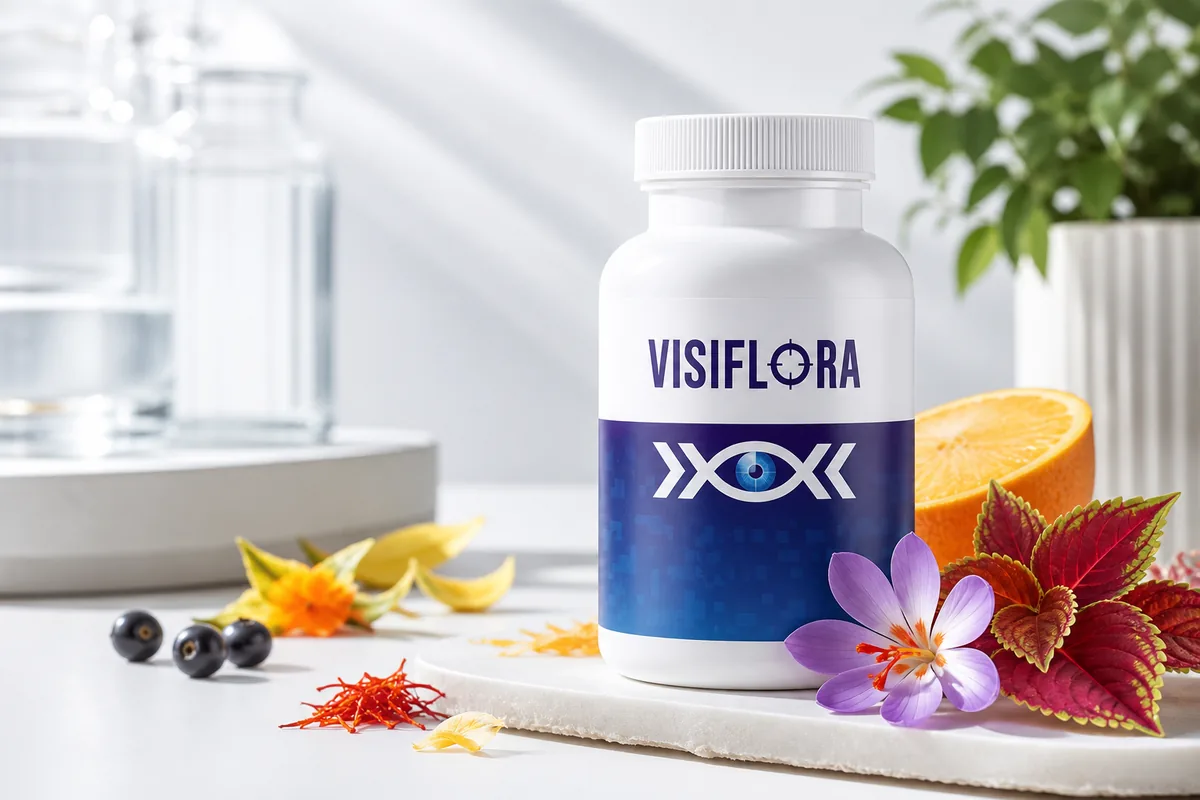
VisiFlora
Buy From Here Below
https://selffiter.com/VisiFlora
VisiFlora: A Complete Guide to Eye Health, Ingredients, and Daily Vision Support
LIMITED THE TIME SPECIAL OFFER HURRY UP AND OFFER NOW
Introduction to VisiFlora
Healthy vision plays an essential role in everyday life. From reading books and working on computers to driving, shopping, and enjoying outdoor activities, people depend on their eyes throughout the day. However, modern lifestyles often involve long hours in front of digital screens, limited breaks during work, and exposure to environmental conditions that can make the eyes feel tired or uncomfortable.
As interest in eye wellness continues to grow, many adults are exploring nutritional supplements designed to complement their everyday health routines. One product in this category is VisiFlora, a dietary supplement marketed for vision support and general eye wellness.
VisiFlora is presented as a multi-ingredient formula that combines vitamins, minerals, antioxidants, and botanical extracts. Its product positioning also emphasizes the relationship between digestive health and eye wellness, sometimes described as the gut-eye connection.
People researching VisiFlora may have several questions. What is the product? Which ingredients does it contain? What should consumers consider before purchasing it? Can a vision supplement replace regular eye examinations or prescription glasses?
This comprehensive VisiFlora guide explores these questions in an informative and practical way. It covers product information, ingredient considerations, everyday eye-care habits, safety precautions, and frequently asked questions to help readers make more informed decisions.
Importantly, dietary supplements are not guaranteed solutions for vision problems. Their potential value depends on their formulation, ingredient quantities, available scientific evidence, and individual nutritional needs.
LIMITED THE TIME SPECIAL OFFER HURRY UP AND OFFER NOW
What Is VisiFlora?
VisiFlora is marketed as a daily dietary supplement intended to support eye health and visual wellness. According to product information, its formulation combines multiple ingredients selected for their potential nutritional relevance to the eyes and the body's antioxidant defenses.
The product is also promoted around the concept of supporting the gut-eye connection. This reflects growing scientific interest in how digestive health, immune activity, inflammation, and overall nutrition may relate to different aspects of human health.
Unlike prescription treatments designed for specific medical conditions, VisiFlora belongs to the dietary supplement category. Consumers should therefore distinguish between general nutritional support and treatment for a diagnosed eye disorder.
A supplement cannot automatically correct refractive errors, eliminate the need for glasses, or reverse damage caused by an eye disease.
Before purchasing VisiFlora, buyers should review the current product label, confirm the full ingredient list, and examine the manufacturer's information. These details are important because product formulations, recommended servings, and availability can change.
Understanding what a supplement contains is the first step toward deciding whether it is appropriate for an individual's circumstances.
Why Is Eye Health Important?
Vision supports many activities that people perform every day. Healthy eyes help individuals read, recognize faces, navigate their surroundings, and participate in work and leisure activities.
Eye health can be influenced by several factors, including age, genetics, nutrition, environmental exposure, existing medical conditions, and lifestyle habits.
For example, prolonged computer use may contribute to temporary discomfort, dryness, blurred focus, or headaches. These symptoms can sometimes be associated with reduced blinking, glare, poor lighting, or extended periods without breaks.
Age-related changes can also affect how people see. Some adults may experience difficulty focusing on nearby objects, while others may develop conditions that require professional monitoring or treatment.
Nutrition is one part of maintaining overall eye health. Certain nutrients have established roles in normal visual function, but taking additional amounts does not necessarily improve vision in someone who already receives sufficient quantities.
This distinction matters when evaluating products such as VisiFlora.
Rather than expecting a supplement to solve every eye-related concern, consumers should consider nutrition alongside regular eye examinations, appropriate eyewear, healthy lifestyle habits, and timely medical care.
Understanding the VisiFlora Formula
VisiFlora is advertised as a 22-ingredient formula containing various nutrients and plant-derived compounds.
The specific amounts and formulation should be verified against the current product label before purchase. The presence of an ingredient alone does not establish that the finished product produces a particular health benefit.
The following sections explain several ingredients associated with eye nutrition and wellness products. They are intended to provide general educational information, not to suggest that every ingredient produces a proven benefit when included in VisiFlora.
1. Lutein
Lutein is a carotenoid found in foods such as leafy green vegetables, peas, and certain other plant foods.
It is present in the macula, a region of the retina involved in central vision. Lutein is frequently studied alongside zeaxanthin because both contribute to the macular pigment.
Researchers have investigated these carotenoids in relation to eye health, particularly age-related macular degeneration.
However, evidence for specific uses depends on the population, formulation, and dosage studied. Research involving a particular clinical formulation should not automatically be interpreted as proof that every supplement containing lutein provides the same outcome.
2. Zeaxanthin
Zeaxanthin is another carotenoid found in the retina and certain foods.
It is commonly discussed in nutritional approaches to maintaining macular health. Food sources include leafy greens, corn, and other vegetables.
Like lutein, zeaxanthin is relevant to research on retinal nutrition. Nevertheless, consumers should not assume that taking a supplement guarantees sharper eyesight or prevents every age-related eye condition.
A balanced diet remains an important source of nutrients for general health.
3. Vitamin A
Vitamin A plays an essential role in normal vision, including the processes that allow the eyes to function in low-light conditions.
It can be obtained from foods such as eggs, dairy products, and certain fish. Plant foods containing beta-carotene, including carrots and sweet potatoes, also provide a precursor that the body can convert into vitamin A.
Adequate vitamin A intake is important, but excessive intake of preformed vitamin A can be harmful.
Consumers should therefore check the amount included in VisiFlora and consider their intake from other supplements before combining products.
4. Vitamin C
Vitamin C is an antioxidant that supports several normal physiological functions.
It is found in foods such as citrus fruits, berries, peppers, and broccoli.
Antioxidants help protect cells against oxidative damage, which is one reason they are studied in relation to general health and aging.
However, the antioxidant properties of an ingredient do not prove that a particular supplement can prevent or treat an eye disease.
The overall formulation and available clinical evidence must be considered.
5. Vitamin E
Vitamin E is a fat-soluble nutrient involved in protecting cell membranes from oxidative damage.
Nuts, seeds, and certain vegetable oils are useful dietary sources.
Some research on eye health has examined combinations of nutrients rather than vitamin E alone. Results from those studies should be interpreted in the context of the exact formulation and population investigated.
People considering multiple supplements should also avoid unnecessarily high nutrient intake.
6. Zinc
Zinc is an essential mineral involved in numerous biological processes, including normal immune function and aspects of vitamin A metabolism.
Foods such as meat, seafood, dairy products, legumes, and nuts can contribute to zinc intake.
Certain clinically studied nutrient combinations have been investigated for specific eye conditions, but this does not mean that additional zinc is appropriate for everyone.
Excessive zinc intake can cause adverse effects and interfere with copper absorption.
The amount supplied by a supplement should therefore be considered carefully.
7. Bilberry Extract
Bilberry is a fruit related to the blueberry. Its extracts contain plant compounds known as anthocyanins.
Bilberry is commonly included in products marketed for eye wellness, but the quality of evidence varies depending on the claimed benefit and the formulation being studied.
Consumers should be cautious about claims that bilberry automatically improves night vision, corrects blurred eyesight, or produces rapid changes in visual performance.
A product containing a botanical extract should provide clear information about its identity and quantity.
The Gut-Eye Connection Explained
One feature emphasized in VisiFlora's marketing is the relationship between digestive health and eye wellness.
The gut microbiome consists of microorganisms living in the digestive tract. Researchers are investigating how these microorganisms interact with the immune system, metabolism, and inflammatory processes throughout the body.
The term gut-eye connection refers to potential relationships between digestive processes and eye health.
Although this is an active area of scientific investigation, many questions remain about the mechanisms involved and their clinical significance.
Research into a biological connection does not prove that a particular supplement can improve vision by changing the gut microbiome.
Similarly, an ingredient associated with antioxidant activity or digestive health does not establish that the finished product prevents retinal damage or reverses vision changes.
Consumers should view the gut-eye concept as an area of scientific interest rather than a guarantee of specific results from VisiFlora.
Maintaining digestive health through a balanced diet, adequate hydration, physical activity, and appropriate medical care can contribute to general wellness. These practices should complement, rather than replace, established eye-care measures.
Potential Benefits of VisiFlora: What Should Consumers Know?
VisiFlora is marketed for eye wellness, but its specific effects cannot be established simply by reviewing promotional descriptions.
Before accepting a claim, consumers should consider the available evidence and determine whether it applies to the actual product.
General Nutritional Support
A supplement may help provide particular nutrients when dietary intake is insufficient. Whether this is useful depends on the ingredients, quantities, and individual's nutritional needs.
A person who already receives adequate amounts of a nutrient may not benefit from taking additional amounts.
Interest in Macular Health
Lutein and zeaxanthin have been studied for their roles in macular nutrition.
However, evidence supporting particular nutrient formulations for specific eye conditions should not be generalized to every supplement or used to promise disease prevention.
Everyday Visual Comfort
Some people experience tired or uncomfortable eyes after long periods of reading or screen use.
These symptoms may be related to reduced blinking, dry eyes, uncorrected vision problems, glare, or other factors.
A nutritional supplement should not be assumed to resolve these issues. Identifying the underlying cause is often more useful.
Long-Term Eye Wellness
Regular eye examinations, balanced nutrition, appropriate protection from ultraviolet light, and management of medical conditions can contribute to maintaining eye health.
VisiFlora should be considered, if appropriate, as a possible addition to an overall wellness routine rather than a replacement for these measures.
Everyday Habits That Support Healthy Vision
Eye care involves more than choosing a supplement. Several practical habits can help people protect their vision and reduce everyday discomfort.
Take Regular Screen Breaks
People who work at computers or use digital devices for extended periods may benefit from taking regular breaks.
One commonly suggested approach is the 20-20-20 rule: approximately every 20 minutes, look at something about 20 feet away for 20 seconds.
This can help break up prolonged near work, although it is not a treatment for an underlying eye condition.
Remember to Blink
People often blink less frequently when concentrating on screens.
Making a conscious effort to blink normally may help maintain the tear film across the surface of the eyes.
If dryness continues, an eye-care professional can help identify suitable options.
Eat a Varied Diet
Include vegetables, fruits, whole grains, protein sources, and healthy fats as part of a balanced eating pattern.
Leafy greens, colorful vegetables, eggs, nuts, and fish can contribute nutrients relevant to general health and normal visual function.
No single food or supplement can replace a balanced diet.
Use Appropriate Lighting
Good lighting can make reading and other close-up activities more comfortable.
Adjust screen brightness, reduce reflections, and position workstations to limit glare where possible.
Protect Your Eyes Outdoors
Sunglasses that provide appropriate UVA and UVB protection can help protect the eyes from ultraviolet radiation.
Protective eyewear may also be important during certain sports, hobbies, and workplace activities.
Schedule Regular Eye Examinations
Eye examinations can identify vision changes and certain eye conditions, sometimes before obvious symptoms develop.
The appropriate examination schedule depends on age, medical history, symptoms, and professional advice.
These everyday practices remain important whether or not someone chooses to use VisiFlora.

LIMITED THE TIME SPECIAL OFFER HURRY UP AND OFFER NOW
How to Evaluate VisiFlora Before Buying
Consumers researching VisiFlora can follow several steps to make a more informed purchase.
Review the complete ingredient list. Confirm the ingredients and their quantities on the current packaging.
Check the recommended serving. Follow the manufacturer's instructions and do not assume that taking more will provide greater benefits.
Verify manufacturer information. Look for clear business details, customer support information, and relevant manufacturing or quality documentation.
Investigate health claims. Be cautious about promises to restore perfect vision, eliminate the need for glasses, reverse eye diseases, or deliver guaranteed results.
Review the total cost. Check the full order price, shipping charges, package sizes, and any conditions attached to discounts.
Read the refund policy. Confirm the eligibility period, return requirements, and steps needed to request a refund.
Consider your individual needs. A supplement may not be appropriate for everyone, particularly people taking medication or managing existing medical conditions.
Taking time to review these factors can help buyers distinguish useful product information from unsupported marketing claims.
Safety Considerations Before Using VisiFlora
Dietary supplements can cause side effects or interact with medications. Natural ingredients are not automatically safe for every person.
Before using VisiFlora, review its current label and speak with a qualified healthcare professional if you take prescription medication, have a medical condition, or already use other nutritional supplements.
This is particularly important when combining products containing vitamin A, zinc, vitamin E, or botanical extracts.
For example, excessive vitamin A intake can be harmful, and high doses of zinc may interfere with copper absorption. Certain botanical ingredients can also interact with medication.
People who are pregnant or breastfeeding should obtain professional advice before using supplements containing multiple active ingredients.
Anyone experiencing persistent blurred vision, significant eye pain, or unexplained changes in eyesight should seek appropriate medical assessment rather than relying on a supplement.
Sudden vision loss, a sudden increase in floaters, flashes of light, or a curtain-like shadow across the visual field can indicate an urgent eye problem. These symptoms require immediate medical attention.
VisiFlora should not replace prescription glasses, prescribed medication, eye examinations, or treatment recommended by an eye-care professional.
Frequently Asked Questions About VisiFlora
What Is VisiFlora?
VisiFlora is marketed as a daily dietary supplement designed to support eye wellness. Its advertised formulation combines multiple nutrients, antioxidants, and botanical ingredients. Check the current label for the verified ingredient list and serving information.
What Ingredients Does VisiFlora Contain?
Product descriptions identify ingredients such as lutein, zeaxanthin, vitamin A, vitamin C, vitamin E, zinc, and bilberry among the formula's components. The complete formulation and ingredient quantities should be confirmed using the current product packaging.
Can VisiFlora Improve Eyesight?
A specific improvement in eyesight should not be assumed without reliable clinical evidence for the finished product.
Supplements cannot generally correct refractive errors such as nearsightedness or farsightedness. Anyone experiencing vision changes should seek an appropriate eye examination.
Can VisiFlora Replace Glasses?
No. A dietary supplement should not be considered a replacement for prescription eyewear.
Glasses and contact lenses correct refractive errors in ways that nutritional supplements are not designed to do.
How Long Does VisiFlora Take to Work?
There is no reliable universal timeframe for a particular effect without appropriate evidence for the formulation and intended outcome.
Be cautious of claims promising dramatic improvements within a few days or guaranteeing results after a specific period.
Is VisiFlora Suitable for Everyone?
Not necessarily. Suitability depends on age, medical history, medication use, allergies, and the ingredients and quantities in the formula.
Review the label and seek professional advice if you are unsure whether the product is appropriate for you.
Can I Take VisiFlora With Other Supplements?
Combining supplements can lead to excessive intake of certain nutrients or increase the risk of interactions.
Review all ingredients and serving amounts with a qualified healthcare professional when necessary.
Where Should I Buy VisiFlora?
Consumers can begin by checking the product's official website and verifying the seller's identity, current price, shipping terms, customer support information, and refund policy before ordering.
Avoid purchasing products with unclear labels or unverified claims.
Please contact me any information.
Contact Email - contact@nutrafame.com
Telegram - @shubhammalva
WhatsApp - +917055567447

LIMITED THE TIME SPECIAL OFFER HURRY UP AND OFFER NOW
Final Thoughts on VisiFlora
VisiFlora is marketed as a multi-ingredient vision-support supplement that combines eye-related nutrients with ingredients associated with antioxidant activity and the gut-eye connection.
For consumers exploring this category, the most important step is to understand what the product contains and what the available evidence actually demonstrates.
Lutein, zeaxanthin, vitamin A, vitamin C, vitamin E, zinc, and other nutrients have different biological roles. Their usefulness depends on factors such as dietary intake, dosage, formulation, and individual circumstances.
A supplement's marketing description should not be treated as proof that it can restore vision, prevent every eye condition, or eliminate the need for medical care.
Before purchasing VisiFlora, verify the current ingredient list, serving instructions, manufacturer details, quality information, and purchase conditions. Consider professional advice if you have existing medical concerns or take medication.
Most importantly, make eye care part of a broader wellness routine. A balanced diet, regular screen breaks, suitable UV protection, appropriate eyewear, and routine eye examinations can all contribute to responsible vision care.
An informed decision is based on reliable information, realistic expectations, and attention to individual needs—not promises of instant results.
Disclaimer: This article is for general informational purposes only and is not medical advice. VisiFlora is a dietary supplement, not a substitute for professional eye care. The statements in this article do not establish that VisiFlora can diagnose, treat, cure, or prevent any disease. Consult a qualified healthcare professional before beginning a new supplement, especially if you take medication or have an existing medical condition.
#VisiFlora
#VisiFloraReview
#VisiFloraIngredients
#VisiFloraSupplement
#EyeHealth
#EyeCare
#VisionSupport
#VisionWellness
#HealthyEyes
#EyeHealthSupport
#DailyEyeCare
#EyeNutrition
#VisionCare
#HealthyLifestyle
#WellnessJourney
#DailyWellness
#NutritionalSupplements
#Antioxidants
#Lutein
#Zeaxanthin
#VitaminA
#VitaminC
#VitaminE
#HealthyHabits
#DigitalEyeStrain
#EyeWellness
#SupplementGuide
#VisiFloraBenefits
#VisiFloraGuide
#HealthAwareness
Views: 3
Comment
About
Welcome to
The Word of God Holistic Wellness Institute
Praise Jesus Christ!

May God Bless & Prosper You!
"Holistic Wellness and Health"
Health, Education, and Social Service: Crisis Intervention/Life Empowerment (323) 73-LIGHT
Appointments (323) 402-0422
Loving to Learn Online Store
"Over 300 Low Priced, Quality Products"
Your Holistic Wellness: Spirit, Body and Mind
TIME IS RUNNING OUT!
© 2026 Created by Drs Joshua and Sherilyn Smith.
Powered by


You need to be a member of The Word of God Holistic Wellness Institute to add comments!
Join The Word of God Holistic Wellness Institute