The Word of God Holistic Wellness Institute
"Helping The World DISCOVER THE WAY of LOVE!"
Unlock Crystal Clear Water: Discover the Best Home Purification Solutions Today!
Unlock Crystal Clear Water: Discover the Best Home Purification Solutions Today!
In today's world, access to clean drinking water is more crucial than ever. With rising concerns over water quality and the potential presence of harmful contaminants, many homeowners are turning to home drinking water purification systems. These systems play a vital role in ensuring that the water we consume is safe and healthy, free from impurities that can pose health risks. From heavy metals to bacteria, the array of pollutants found in our water supply can be alarming. Fortunately, investing in a home purification system not only addresses these concerns but also enhances the overall taste and quality of drinking water. In this article, we will explore various options available on the market, helping you to compare and find the best solution tailored to your unique needs.
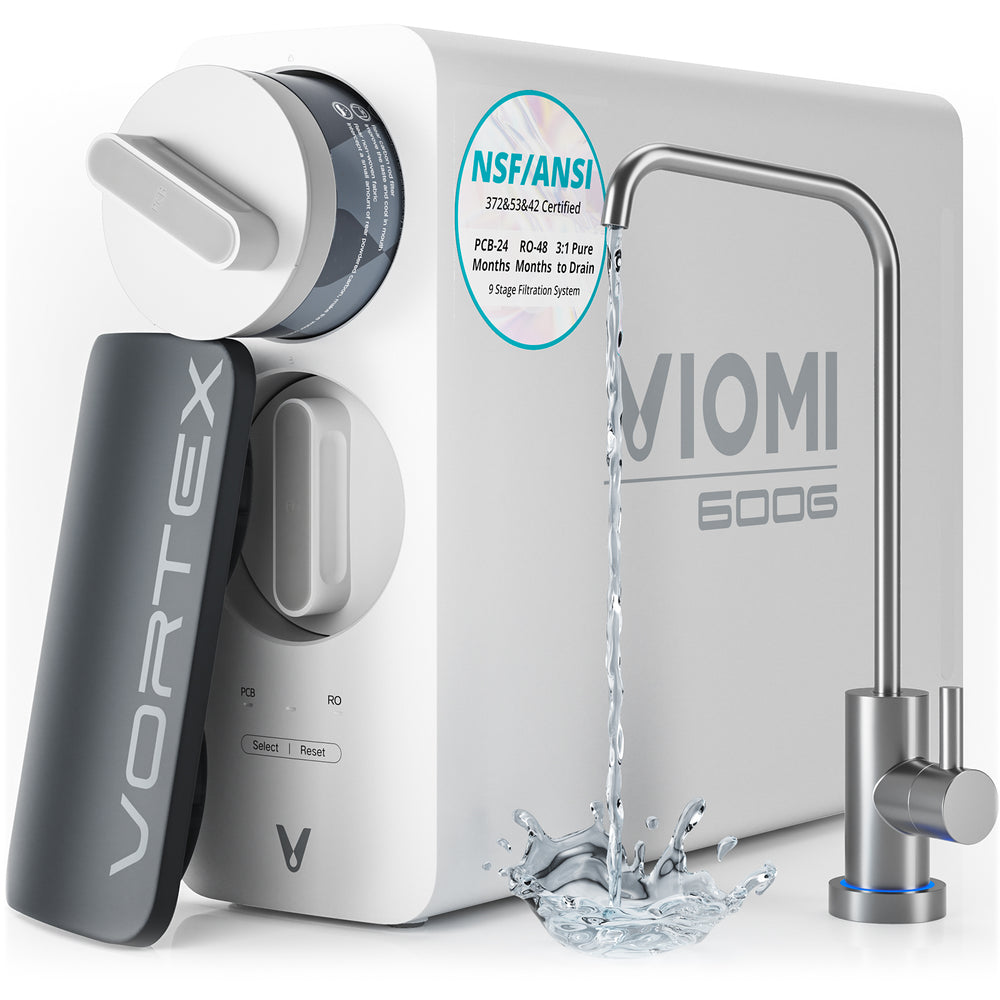
Understanding Home Drinking Water Purification Systems
Home drinking water purification systems are designed to remove contaminants from tap water, providing households with clean and safe drinking water. There are several types of purification systems available, each utilizing different technologies to achieve this goal. Reverse osmosis systems are among the most popular, employing a semi-permeable membrane to filter out impurities, including salts and heavy metals. UV filters, on the other hand, use ultraviolet light to kill bacteria and viruses, making them an excellent choice for disinfection. Activated carbon filters are another common option, which work by adsorbing impurities and chemicals, improving both taste and odor. Understanding how these systems operate can help you determine which type best suits your household's water quality issues and preferences.
Key Features to Consider When Choosing a System
When selecting a home drinking water purification system, there are several key features to consider to ensure you make the best choice for your needs. First, the filtration capacity is crucial; it should meet your household's daily water consumption requirements. Additionally, ease of installation and maintenance should not be overlooked. Some systems can be installed by the homeowner, while others may require professional assistance. Maintenance requirements, such as filter replacement schedules, are also important to keep in mind, as they can affect the system's long-term performance. Lastly, look for certifications from recognized organizations, which can assure you of the system's effectiveness and safety. Understanding your specific needs based on water quality and household size will guide you in selecting the perfect system.
Comparative Analysis of Different Purification Methods
As you navigate the various options for home drinking water purification systems, it's essential to weigh the advantages and disadvantages of each method. Reverse osmosis systems are highly effective at removing a wide range of contaminants, but they can be more expensive and may waste a significant amount of water during the filtration process. UV filters excel in disinfection but do not remove chemicals or sediments, making them less suitable for certain water sources. Activated carbon filters are cost-effective and improve taste but may require more frequent replacements to maintain efficiency. It's also vital to consider cost-effectiveness over time, as well as the efficiency of each system in relation to your water source—whether it be well water, municipal supply, or something else. By comparing these factors, you can make an informed decision that aligns with your budget and water quality needs.
Installation and Maintenance of Home Purification Systems
The installation process for home drinking water purification systems can vary significantly depending on the type of system you choose. Reverse osmosis systems often require more complex installation, potentially necessitating the assistance of a plumber. Conversely, many activated carbon systems can be easily installed by homeowners without professional help. Regardless of the type, understanding the installation requirements is key to ensuring a smooth setup. Maintenance is equally important; regular filter replacements are essential to keep the system functioning optimally and to prevent the buildup of contaminants. Establishing a maintenance schedule based on the manufacturer's recommendations can help you avoid costly repairs and ensure that your system continues to provide clean, safe drinking water for your family.
Final Thoughts on Home Drinking Water Purification
In conclusion, having a home drinking water purification system is an investment in your family's health and well-being. By understanding the different types of systems available, their key features, and the importance of installation and maintenance, you can make an informed decision that suits your specific needs. Clean drinking water not only enhances your health but also improves the taste and quality of the beverages and meals you prepare. Take the time to evaluate your water quality and household requirements, and choose the system that will provide you with the peace of mind that comes from knowing your water is pure and safe.
Views: 5
About
Praise Jesus Christ!

May God Bless & Prosper You!
"Holistic Wellness and Health"
Health, Education, and Social Service: Crisis Intervention/Life Empowerment (323) 73-LIGHT
Appointments (323) 402-0422
Loving to Learn Online Store
"Over 300 Low Priced, Quality Products"
Your Holistic Wellness: Spirit, Body and Mind
TIME IS RUNNING OUT!
© 2026 Created by Drs Joshua and Sherilyn Smith.
Powered by

